

Planning a trip to Lapland and unsure where to start with clothing? I understand completely; I was a bit lost myself before leaving. Between the extreme cold, choosing the right fabrics, and avoiding pitfalls to prevent wasting money, here's everything I learned (and tested while I was there!).
A quick note before we begin: I bought my equipment in 2024, so some specific models are no longer available in their exact same form. But the principle remains the same, so I'll mainly explain what to look for.
The basics: understanding merino wool
Before we talk about shopping, a quick word about materials is essential. Merino wool is a super-fine sheep's wool that keeps you warm without being heavy, and it's incredibly breathable. It's THE material to choose for extreme cold.
My advice: pay close attention to the percentage of merino wool indicated on the label. The higher it is, the more effective it is (and generally more expensive too, but it's worth it).
1. The extremities, the absolute priority
We lose the most heat through our extremities: socks, gloves, shoes. This is definitely not the time to cut corners on that.
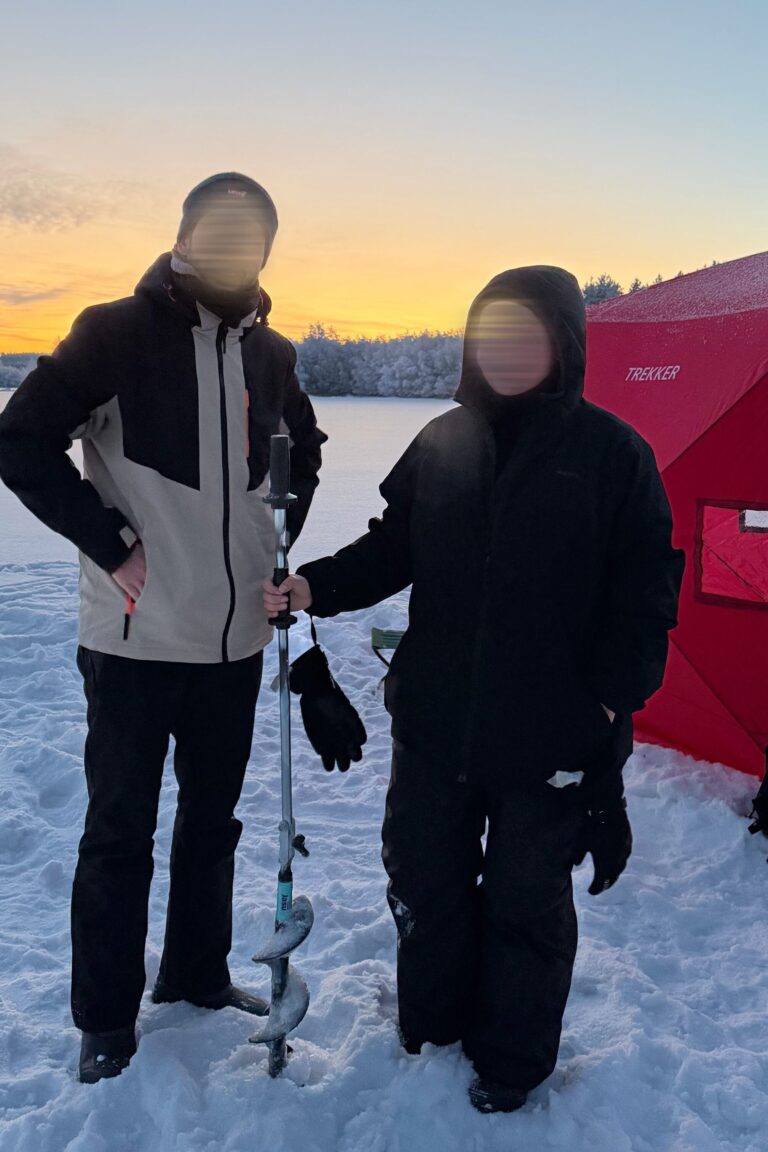
I learned this firsthand: at home, it's my hands and toes that suffer the most. On a snowmobile, the wind freezes your eyelashes, and if you take your gloves off, even for a moment, your hands burn and then you lose all feeling. Definitely not something to try! And during the Northern Lights excursion, it was -30°C: impossible to take my gloves off for more than two seconds to take a picture without losing all sensation in my fingers.
Socks Two different pairs depending on the day: a very warm one for everyday wear, and a merino wool one for really cold days.
Gloves You absolutely must look for the mention Gore-Tex : it's the membrane that guarantees waterproofing and windproof protection. I bought a Reusch model from Decathlon.
Shoes Hamilton V après-ski boots at Intersport: high-top, waterproof, and super warm thanks to their inner lining.
Hand warmers An essential item that's often forgotten: hand and foot warmers. They really make all the difference when the cold becomes extreme: we used a lot of them, especially during the Northern Lights outing.
2. The body: the layering technique
The secret to staying warm isn't ONE thick sweater, it's a well-thought-out layering system, from the skin outwards:
| Layer | What I took |
|---|---|
| 1. First layer | 3 classic thermal sets (leggings + top), worn next to the skin |
| 2. Insulating layer | A Quechua fleece |
| 3. Extreme cold | A complete merino wool set (more expensive, but the most effective) |
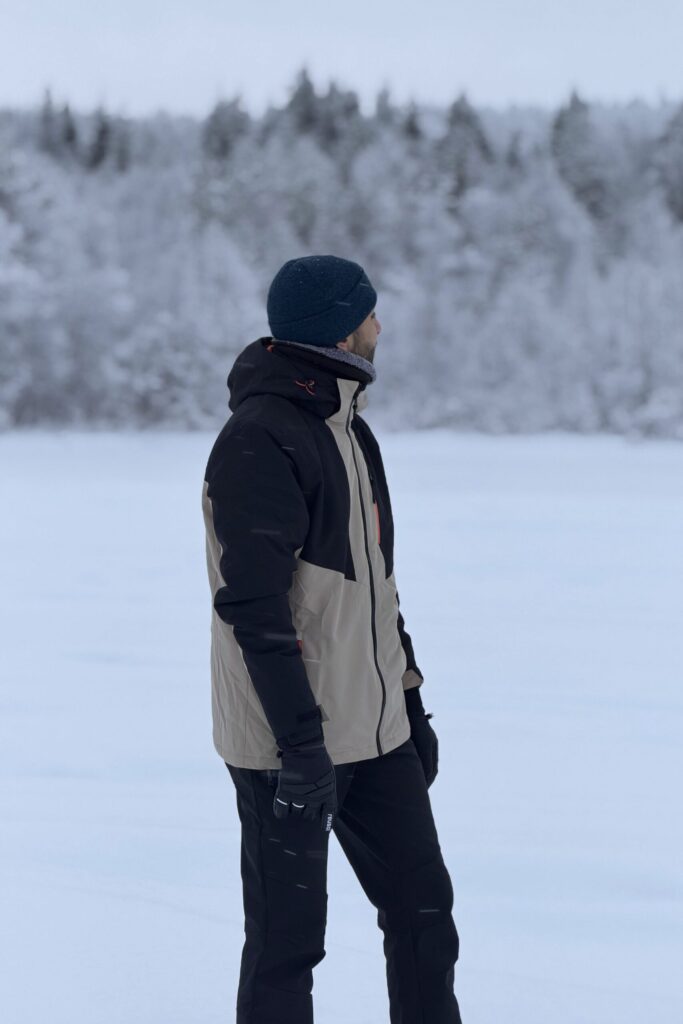
| 4. Outer layer | Decathlon ski jacket and pants, waterproof and windproof |
| 5. Head and neck | Beanie + neck warmer |
3. The total budget
In total, all this equipment cost me approximately 300 euros.
Yes, it might seem expensive if you're only going to use it once. But if you ski, or you generally enjoy traveling in cold climates, you'll quickly recoup your investment. It's better to invest in quality from the start than to keep buying subpar gear that breaks down after just one winter.
A handy little bonus: laundry. If you book an Airbnb or accommodation with a washing machine, you have the option of doing your laundry there. No need to pack ten days' worth of clothes in that case, just check this option before you pack your suitcase!
The recap
No need to buy everything from overpriced outdoor brands: Decathlon and Intersport do the job very well for a fraction of the price, as long as you respect three rules: the layering system, merino wool, and Gore-Tex for gloves, without ever neglecting the extremities.
All my purchase links
| Article | Shop |
|---|---|
| High thermal BL100 | Decathlon |
| Low thermal BL100 | Decathlon |
| Merino set | Decathlon |
| Quechua MH100 Fleece | Decathlon |
| Waterproof ski jacket | Decathlon |
| Ski pants | Decathlon |
| Merino socks | Decathlon |
| Reusch Gore-Tex Gloves | Decathlon |
| Firstheat Beanie | Decathlon |
| Firstheat neck warmer | Decathlon |
| Hand warmers | Decathlon |
| Foot warmers | Decathlon |
| Hamilton V après-ski boots | Intersport |
A question about equipment? Ask it in the comments. And have a great trip ❄️
FAQ: What to wear in Lapland
What is the temperature like in Lapland in winter?
It's often between -10 and -20°C in Rovaniemi during the winter, but the thermometer can drop much lower: during my Northern Lights excursion, it was -30°C. And on a snowmobile, the wind makes the cold even more biting.
What to wear in Lapland in winter?
With a layering system, from the skin outwards: a thermal base layer, a fleece, a merino wool set for the coldest days, then a waterproof and windproof ski jacket and pants. Add a hat and neck warmer, and don't neglect your extremities.
What shoes and gloves should I take to Lapland?
High-top, waterproof, and lined après-ski boots: I got the Hamilton V from Intersport. For gloves, definitely look for the Gore-Tex label, which guarantees waterproofing and windproof protection. Your hands and feet suffer the most, so don't forget hand warmers: we used a lot of them.
Why choose merino wool for extreme cold?
It's a very fine wool that keeps you warm without being heavy and breathes well, so you don't sweat and then get cold. Check the percentage indicated on the label: the higher it is, the more effective the garment.
How much does it cost to get the equipment needed to go to Lapland?
It cost me around €300 in total, buying almost everything at Decathlon and my shoes at Intersport. It's an investment, but it pays for itself quickly if you go skiing or travel to cold climates.
Is it possible to rent cold-weather clothing locally in Rovaniemi?
Yes, there are rental shops in Rovaniemi, and many excursions (snowmobiling, husky sledding, Northern Lights) provide the snowsuit, boots, and gloves. This can be useful for a short stay, but you'll still need good layers underneath and warm clothes for everyday wear. And to choose your excursions, find all my suggestions in my guide on [website/platform name]. What to do in Rovaniemi.
Do you need to pack a lot of clothes for a week in Lapland?
Not necessarily. Thermal layers can be worn for several days, and if your accommodation has a washing machine, you can do laundry there: check this option before packing your suitcase. For 11 days, I had 3 thermal sets, a fleece, and a merino set.
As a photographer and content creator based near Paris, I share my Muslim-friendly travels, detailed budgets, and tried-and-tested addresses here to help you plan your own trips with peace of mind.
This article contains affiliate links: if you book through these links, I receive a small commission, at no extra cost to you. Learn more
Leave a Reply