
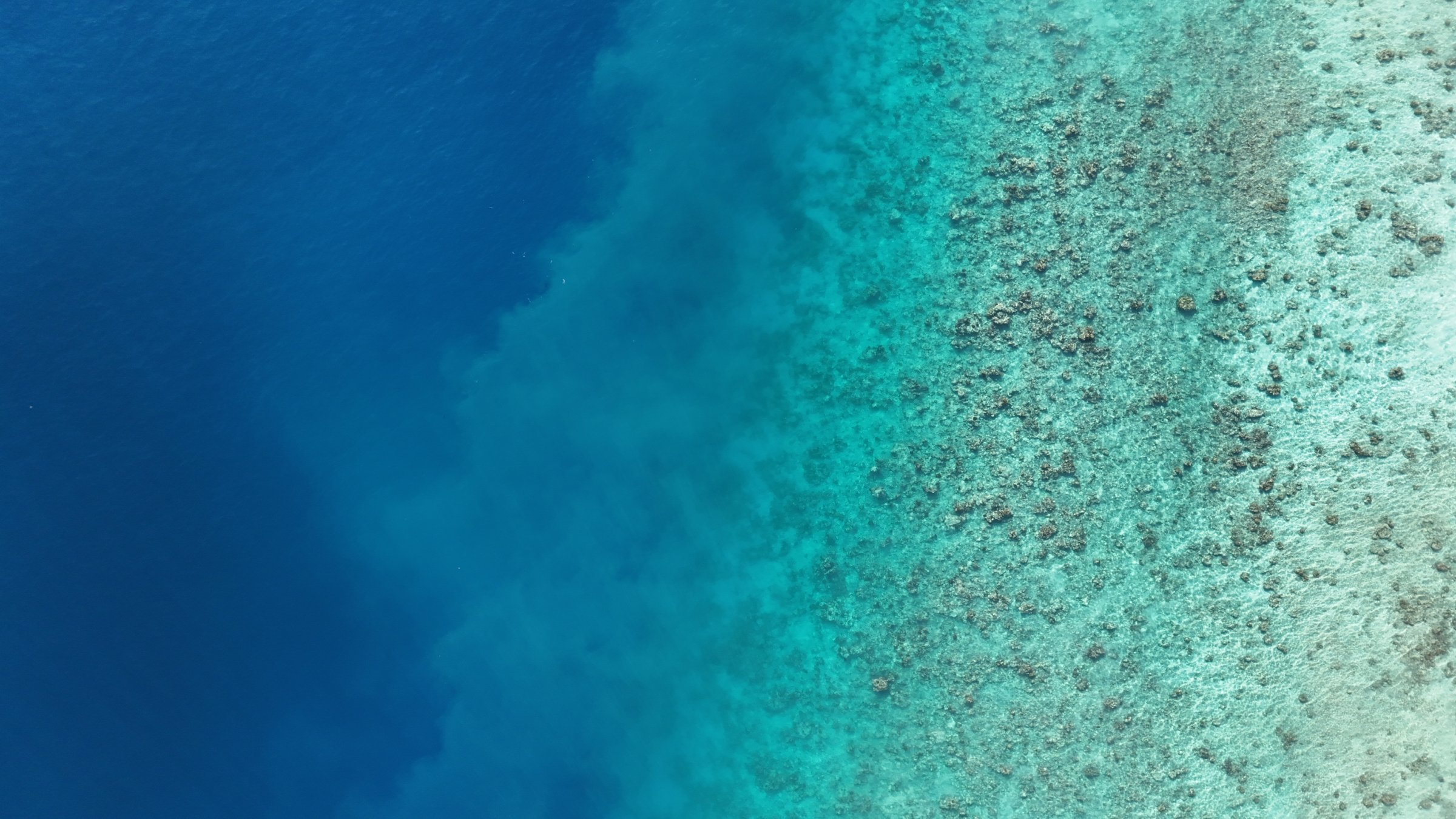
Going to the Maldives without staying in a resort is possible, and it's a truly unique experience. On the local islands of the Maldives, you discover the country as it really is: peaceful villages, welcoming locals, and lagoons as turquoise as in a postcard, all for a much more reasonable price.
But traveling on a local island isn't something you can completely improvise. Formalities, rules to follow, transfers, money, luggage: so I've gathered here everything I wish I'd known before my stay on Maalhos and Dhigurah 👇
And if you're wondering how much such a trip costs, I've prepared a dedicated article for you: Maldives on a Budget: 10 Days on the Local Islands.
Local islands or Maldives resort: what really makes a difference
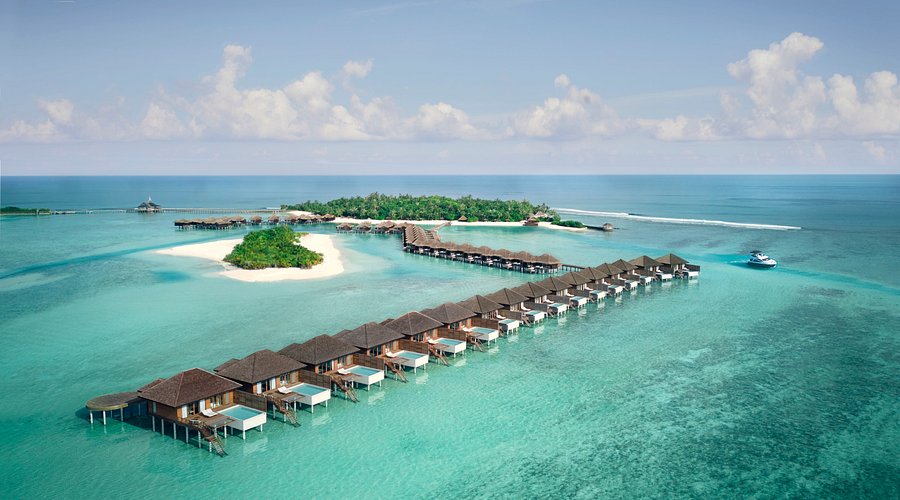
In the Maldives, there are two main ways to travel. On the one hand, the resorts each occupy an entire island, reserved for a single hotel: everything is designed for tourists, but the prices are very high.
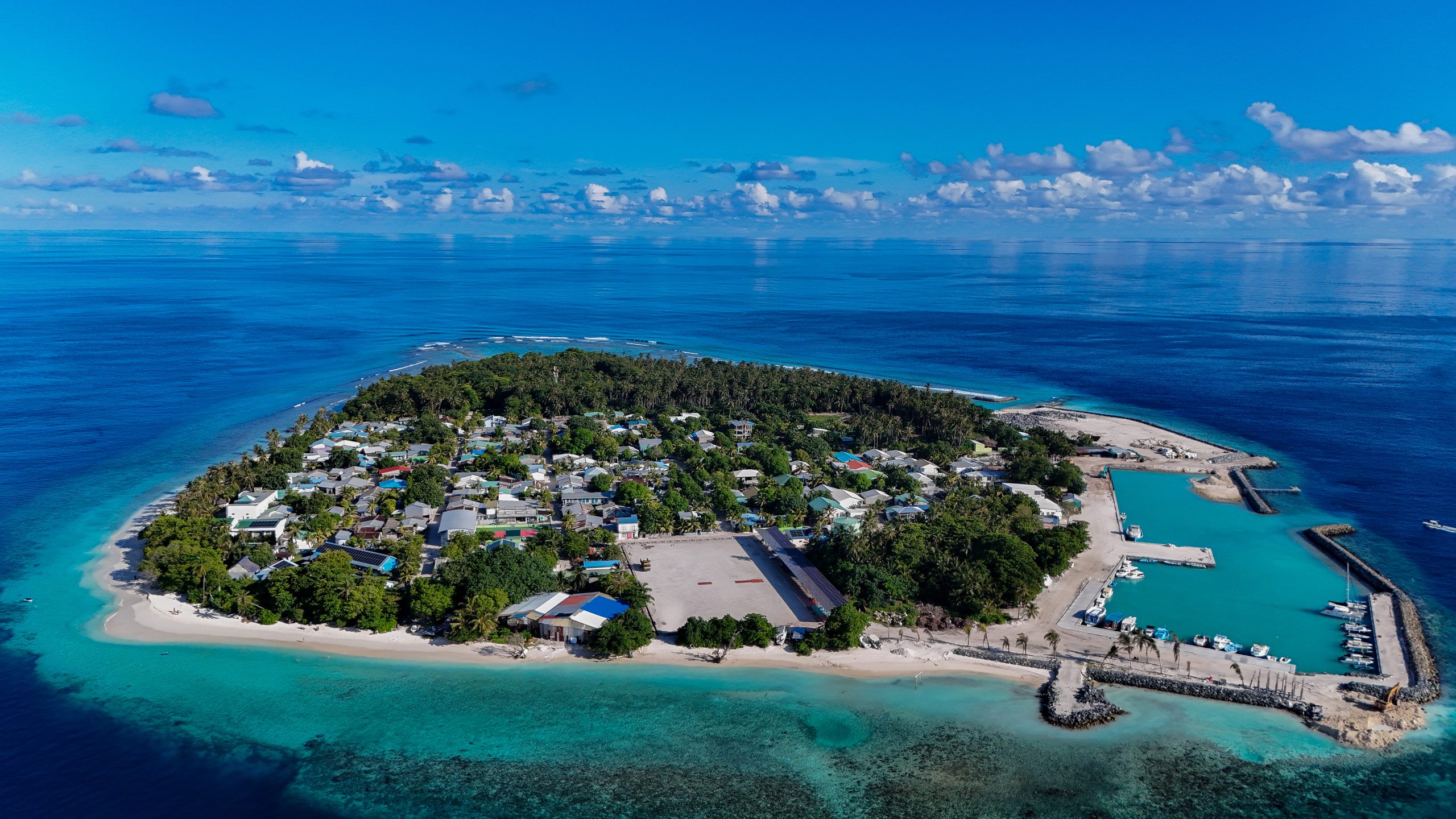
THE local islands, on the other hand, are inhabited by Maldivians. There is a village, a mosque, small shops, cafes and guesthouses, that is to say small hotels often run by families.
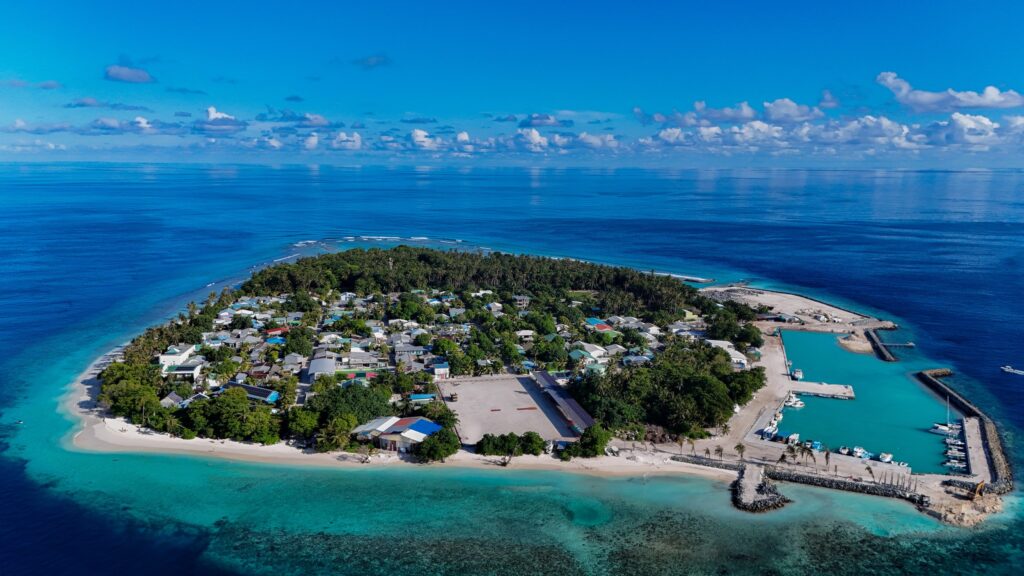
Since the local islands opened to tourism in 2009, it has become possible to stay in the Maldives for a fraction of the price of a resort. In return, you must respect local customs, which I will explain in more detail below.
As a Muslim, the local islands were a perfect fit for me. The food is halal everywhere, each island has its own mosque, and tourists have a dedicated beach while locals swim fully clothed: it's a truly welcoming place. Life is simple and authentic, the locals are lovely, and the water sports are exceptional.
Entry requirements: passport, visa and application form
First, some good news for French travellers: the formalities are simple.
- Passport : it must be valid for at least 6 months after the end of your stay.
- Visa : no action is required before departure. You will receive a free 30-day tourist visa upon arrival, provided you present your return ticket and hotel reservation (or, failing that, proof of sufficient funds).
- IMUGA Form : before leaving, you must complete the traveler declaration online (Traveller Declaration) on the IMUGA portal, within 96 hours of your arrival. You must also complete it for the return flight.
- Departure tax : $25, usually already included in the price of your plane ticket.
Customs and practical information
Be aware that customs is very strict: alcohol, pork, and religious items from other faiths are prohibited or require authorization. Leave them at home, along with your e-cigarette: the country completely forbids them, and customs will confiscate them upon arrival.
Practical aspects: Also note that the Maldives are 3 hours ahead of France in summer and 4 hours ahead in winter. The official language is Dhivehi, but English is understood everywhere, in hotels, on excursions, and in small shops.
The rules may change: always check the entry requirements on the website Travel advice from the Ministry of Foreign Affairs before your departure.
When to go to the Maldives?
The Maldives enjoy a warm climate year-round, with water temperatures between 27 and 30°C. Two main seasons mark the year: the dry season, from December to April, and the wet season, from May to November. However, within each season, some periods are much more pleasant than others.
| Period | Weather report | Price | My opinion |
|---|---|---|---|
| January to March | Heart of the dry season: very little rain, 8 to 9 hours of sunshine per day, calm sea and very clear water | Raised (high season) | Perfect |
| December | Start of the dry season: fine weather, calm sea | The highest levels, especially at Christmas and New Year's | Alright, but expensive |
| April | End of the dry season: still plenty of sun, very hot | Down | Alright : good compromise |
| May and June | Arrival of the monsoon: the rainiest months, sometimes rough seas | The lowest | Less favorable |
| July to October | Wet season: showers often short, about 7 hours of sunshine per day | Soft | GOOD : Manta ray season |
| November | Transition: the rain is easing, the good weather is returning | Still mild | Alright : good compromise |
If you're on a tight budget, the rainy season is still a great option: the downpours often pass quickly, and prices drop significantly. Opt for July to October rather than May and June, the wettest months. April and November offer the best compromise between weather and prices.
Keep in mind that the archipelago stretches over 800 km from north to south: the weather can vary from one atoll to another, and a few rainy days are still possible, even in the middle of the dry season.
The best time for wildlife
Good to know for wildlife: Whale sharks can be seen year-round in the South Ari Atoll, around Dhigurah. For manta rays, however, the wet season is the best time to spot them in the Baa Atoll, where Maalhos is located.
I was there in October, so right in the middle of the rainy season, and the weather was very pleasant: out of 10 days, we only had one day of rain. The rain didn't last long: the afternoon was simply cloudy.
How to choose among the local islands of the Maldives?
In the Maldives, each local island has its own unique character. Some are lively and close to Malé, while others are more secluded and peaceful. To make the best choice, ask yourself three questions: Are you looking for tranquility or excitement? What activities appeal to you? And how much time are you willing to spend in transit?
| Island | Atoll | Atmosphere | Ideal if you… | Where to sleep | Price / night |
|---|---|---|---|---|---|
| Maalhos | Baa | Small, very calm, authentic and welcoming island | are looking for peace and quiet and dream of swimming with manta rays. | Thundi Ocean View | from €95 |
| Dhigurah | Ari South | More lively, long white sand beach and sandbank | want a dream beach, a wide choice of restaurants, and to swim with whale sharks. | Beach Hotel Dhigurah | from €80 |
| Maafushi | Kaafu (South Male) | The most developed of the local islands, with many hotels and excursions. | are going to the Maldives for the first time or for a short stay, just 30-40 minutes from the airport | Island Ambience | from €95 |
| Ukulhas | Ari North | The island is known for being very clean, with a reef accessible from the beach. | like to go snorkeling independently, directly from the beach | Koimala Beach | from €90 |
| Rasdhoo | Ari North | A small island geared towards diving, not too far from Malé | go scuba diving and dream of seeing hammerhead sharks | Quicksand Rasdhoo | from €80 |
| Dhangethi | Ari South | Quieter and less crowded | are looking for a quiet, uncrowded island with beautiful diving spots | Nova Maldives | from €500 |
| Thulusdhoo | North Malé | Relaxed atmosphere, island known for its waves | are coming to the Maldives to surf | Season Paradise | from €110 |
| Gulhi | South Malé | A small, simple and authentic island with a calm lagoon | want a quiet stay without going too far from Malé | Ayala Oceanview | from €75 |
| Fulidhoo | Vaavu | A small, peaceful and unspoiled island, renowned for its nurse sharks and rays. | want to swim with nurse sharks and rays on a calm island, about an hour from Malé | Royal Villa Fulidhoo | from €110 |
Combine two local islands
My advice: combine two islands with different atmospheres, as I did with Maalhos and Dhigurah. However, avoid doing too many in quick succession: each island change involves a transfer, which means extra time, fatigue, and cost.
For me, this combination was perfect: Maalhos for peace and quiet, Dhigurah for a bit more activity. In short, two different atmospheres, beautiful scenery, and a truly enjoyable stay from beginning to end.
How to get to your local island?
To reach the local islands of the Maldives, all international arrivals are at Malé Airport, located on Hulhulé Island. Several options are available to get to your island:
- The speedboat : the most common option. Fast and comfortable, it serves most of the local islands on a fixed schedule. Allow approximately 2 hours for the journey and 45 to $55 per trip per person to Dhigurah and Maalhos.
- The public ferry Unbeatable price-wise, with only 2 to 6 $ per trip depending on the distance, but much slower: allow approximately 1.5 to 2 hours for Maafushi, 2.5 hours for Maalhos, and 3 to 5 hours for the islands of the Ari Atoll. Ferries only depart a few days a week (rarely on Fridays), and tickets are purchased at the terminal on the day of travel. It's therefore a good option if you have time and a small budget.
- The seaplane or domestic flight : the fastest, but also the most expensive, option is a domestic flight that takes 20 to 40 minutes, followed by a short boat transfer. Expect to pay around $175 one way to Dhigurah (via Maamigili Airport) and 120 to $150 to Maalhos (via Dharavandhoo), plus the boat fare. The seaplane, even more spectacular, starts at around $250 one way.
My tips for the transfer
My advice: You can book your transfer through your hotel, but always compare prices directly with the speedboat companies. For example, for Dhigurah, the hotel quoted me 651 TP4T per trip, and I found it for 451 TP4T when booking independently.
Good to know: If your flight arrives late, plan to spend your first night in Hulhumalé or Malé, very close to the airport. Personally, I spent my first night at Six Beach Hotel, in Hulhumalé. Speedboats operate on fixed schedules, with few departures per day, and the last boats often leave in the late afternoon.
If you get seasick: Try to sit at the back of the speedboat, where you'll feel the least of the bumps. The only downside, though, is the deafening engine noise, so remember to bring earplugs or headphones to protect your ears during the trip. When the sea is rough, the crossing can also take much longer than expected, so leave some extra time in your schedule and, if necessary, bring motion sickness medication.
Rules and customs to be respected
The Maldives is a Muslim country, and Islam is the state religion. On the local islands of the Maldives, you are welcomed into the homes of the inhabitants: a few simple rules will allow you to enjoy your stay in complete peace of mind.
- No alcohol : the law prohibits it on inhabited islands, including Malé. It can only be found in resorts and on certain boats.
- Appropriate attire in the village : shoulders and knees covered, for both women and men.
- The swimsuit on the bikini beach : most local islands have a beach reserved for tourists, where you can swim in a swimsuit. Elsewhere, however, you swim fully clothed. Monokinis and nudity are prohibited everywhere.
- Friday, the day of prayer : many shops close mid-day, and public ferries run infrequently. Remember to plan your journeys in advance.
- During Ramadan : avoid eating, drinking or smoking in public during the day.
- Near the mosques : proper attire required, and no photos or videos.
- Demonstrations of affection : remains discreet in public.
These rules may seem numerous, but they are applied very naturally on site. In return, you discover above all a hospitality and authenticity that no resort can offer.
Money and taxes: what you need to know
Which currency should be used?
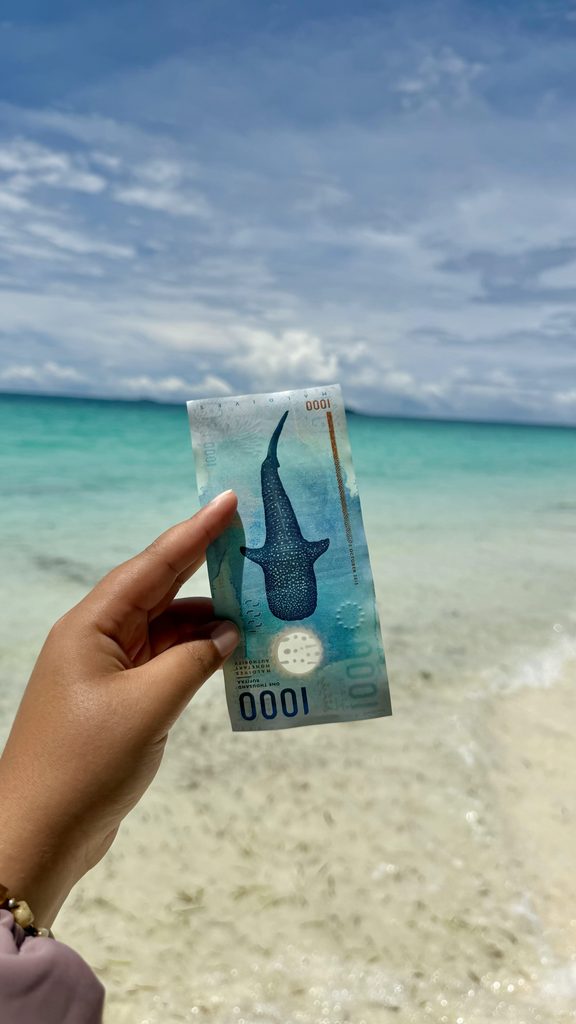
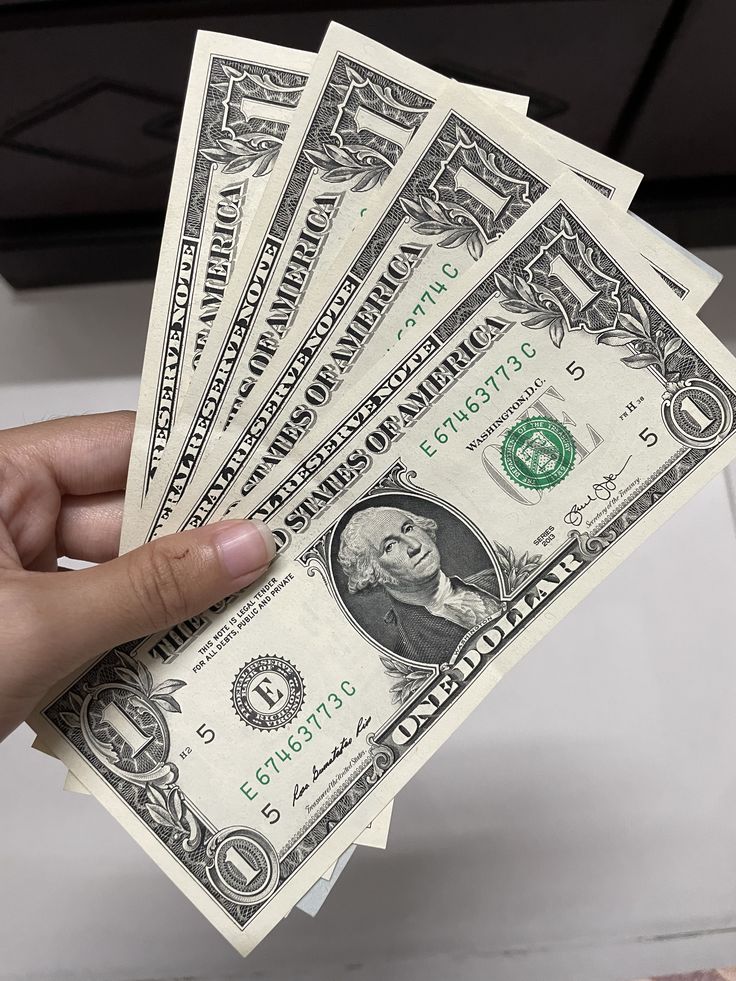
The official currency is the rufiyaa (MVR), but in the Maldives, almost everything is paid for in US dollars: hotels, excursions, transfers. My advice: exchange your euros for dollars before you leave, and keep some rufiyaa for small shops and local cafes.
Be careful if you plan to pay directly in euros: it's sometimes accepted, but locally, €1 is often counted as 1 $. However, the euro is worth more than the dollar (in October 2026, €1 ≈ 1.15 $), so you lose more than 10 % with each payment. It's really better to arrive with dollars.
It's also possible to pay by credit card in most hotels and with some service providers, but be aware of the fees: providers often add a surcharge on-site, in addition to your bank's fees. Since ATMs are scarce on the smaller islands, bring enough cash for your stay.
Taxes, often forgotten
The price displayed on a booking site is not always the final price. Three additional fees may apply:
- The green tax : an environmental tax is levied per traveler per night. It is $6 in guesthouses with 50 rooms or fewer on local islands, and $12 in larger resorts and hotels. For example, for a couple spending a week on a local island, this amounts to $84 in green tax alone.
- The TGST, tourist VAT: 17 % since July 2025.
- The service charges : generally 10 %.
Before booking, always ask if the price includes taxes. For a week's stay, the difference can quickly add up to several tens of euros.
Tips are not mandatory, but always appreciated, whether by your hotel staff or by tour guides.
Internet and SIM card
On the local islands of the Maldives, Wi-Fi is available in most guesthouses, but its quality varies considerably from island to island. To stay connected everywhere, the easiest solution is to get a local SIM card.
Two operators share the country: Dhiraagu and Ooredoo. Both offer special tourist packages, available at the airport and sometimes directly in hotels. Personally, I bought an Ooredoo SIM card at the hotel: $50 for 30 days, with 30 GB of data and an additional 70 GB for social media. One SIM card is enough for two people, by sharing the connection.
If your phone is compatible, a eSIM purchased before departure is also a good option: you're connected as soon as you land.
Before you leave, also remember to download your offline maps, tickets and booking confirmations: wifi can be unreliable from one island to another, and you'll have everything at hand, even without a connection.
Health and safety in the Maldives
Good news: no vaccinations are mandatory for French travelers. You simply need to be up-to-date with your routine vaccinations. However, a few precautions will make your trip much more worry-free:
- Water : choose bottled or filtered water, often offered free of charge in guesthouses, rather than tap water.
- The sun : the sun is strong, even when the sky is overcast. Sunscreen, a hat and rash guard for snorkeling, and don't forget to stay well hydrated.
- Mosquitoes : dengue fever is present in the archipelago, hence the importance of a good repellent. I've included it in the packing list just below.
Are the local islands of the Maldives safe?
As for safety, you can travel with complete peace of mind: the Maldives are among the safest destinations in the Indian Ocean, and the local islands are particularly tranquil. Common sense is all you need: keep an eye on your belongings and always follow the guides' instructions during sea excursions.
What should I pack in my suitcase for the local islands of the Maldives?
- Your mask and your fins : that's my number one piece of advice. With your own equipment, you avoid having to rent it on site for every outing, and you can go snorkeling whenever you want.
- Lightweight and covering outfits : long dresses, flowing trousers, t-shirts that cover the shoulders, for walking around the village.
- A reef-friendly sunscreen (called reef safe), to protect the corals.
- A UV-protective t-shirt or a lycra top for snorkeling: the sun beats down hard on your back when you stay in the water for a long time.
- A Type G plug adapter, the English three-pin model.
- A mosquito repellent, effective against the tiger mosquito: dengue fever is present in the Maldives. Apply it especially in the late afternoon, and consult a doctor promptly if you develop a fever.
- A waterproof pouch for your phone during boat trips.
- Cash dollars for small purchases and tips.
- A waterproof camera to immortalize your sea outings. I had my DJI Osmo Action 6 (Adventure Combo pack) with its diving kit: perfect for filming whale sharks, mantas and turtles, and bringing back beautiful memories.
- Water shoes (mine are from Decathlon) to protect your feet from coral: the slightest cut can quickly become infected in the tropics.
- Pretty outfits, to enjoy the sunsets and take great photos.
- Two burkinis, so that you always have a dry one between two trips at sea.
Must-do activities on the local islands of the Maldives
It's underwater that the Maldives reveal their true magic, and the local islands offer access to some of the most beautiful excursions. Here are some experiences not to be missed:
- Swimming with whale sharks : it is possible all year round in the South Ari atoll, and also from Maalhos.
- Observe the manta rays : majestic and surprisingly peaceful, they are numerous in the Baa atoll during the wet season.
- Swimming with the turtles : very present around the reefs, they are easily encountered while snorkeling, especially during whale shark excursions in the South Ari Atoll.
- The dolphin cruise : a boat trip to see the dolphins, who often swim in groups.
- The sandbank : a strip of white sand in the middle of the lagoon, perfect for swimming and dreamy photos.
- Snorkeling from the beach : on some islands, the coral reef is accessible just a few meters from the shore.
- Traditional fishing : a boat trip with the locals, often at sunset.
My favorite
My most cherished memory remains the encounter with the manta rays and the whale shark in Maalhos: an incredible moment. If you're staying on several islands, be sure to compare excursions carefully: prices and the quality of organization can vary greatly from one island to another.
FAQ: Traveling to the local islands of the Maldives
Do you need a visa to go to the Maldives?
No, French travelers don't need to do anything before departure: you get a free 30-day tourist visa upon arrival, simply by presenting your return ticket and hotel reservation. Your passport must be valid for at least six months after your stay. The only requirement is to complete the IMUGA declaration online within 96 hours of your arrival, and again for your return trip.
Is it permissible to swim in a swimsuit on a local island?
Yes, but only on the bikini beach, the beach reserved for tourists that most of the local islands have. Everywhere else, you swim fully clothed, and in the village, shoulders and knees must be covered. Monokinis and nudity are prohibited everywhere.
Is it possible to drink alcohol on the local islands of the Maldives?
No, alcohol is prohibited by law on all inhabited islands, including Malé. It's only available in resorts and on some boats. And don't pack any in your suitcase: customs will confiscate it.
What is the best time to go to the Maldives?
January to March offers the best weather, but it's also the most expensive time. April and November are the best compromise between sunshine and price. For manta rays, aim for the rainy season, from May to November, in Baa Atoll. I went in October: only one rainy day out of 10.
Which local island should I choose for my first trip to the Maldives?
It all depends on what you're looking for. Maafushi is the easiest for a first-timer or a short stay, being 30-40 minutes from the airport. Maalhos is perfect for peace and quiet and manta rays, while Dhigurah boasts a spectacular beach and whale sharks. My advice: combine two islands with different atmospheres.
Should you pay in euros or dollars in the Maldives?
In dollars. The official currency is the rufiyaa, but hotels, excursions, and transfers are almost always paid for in US dollars. Exchange your euros before you leave and bring enough cash: ATMs are rare on the smaller islands, and credit card use often incurs fees locally.
What taxes should you expect in the Maldives?
Three additional charges may apply to the displayed price: the green tax (6 $ per person per night in guesthouses), the TGST of 17 %, and a service charge of approximately 10 %. Always ask if the price is "taxes included" before booking.
Are the local islands of the Maldives safe?
Yes, the Maldives are among the safest destinations in the Indian Ocean, and the local islands are particularly peaceful. Common sense is all you need: keep an eye on your belongings and always follow the instructions of the guides at sea.
How much does a stay on a local island in the Maldives cost?
Much less than in a resort: expect to pay from around 90 $ per night for two in a guesthouse, meals between €8 and €15 per person, and 45 to 55 $ per speedboat trip. I detail all my expenses in my article Budget Maldives: 10 days on the local islands.
Traveling to the local islands reveals another side of the Maldives, more authentic and accessible. I hope this guide helps you plan your trip with peace of mind. Have a question before you go? Ask it in the comments, and I'll answer.
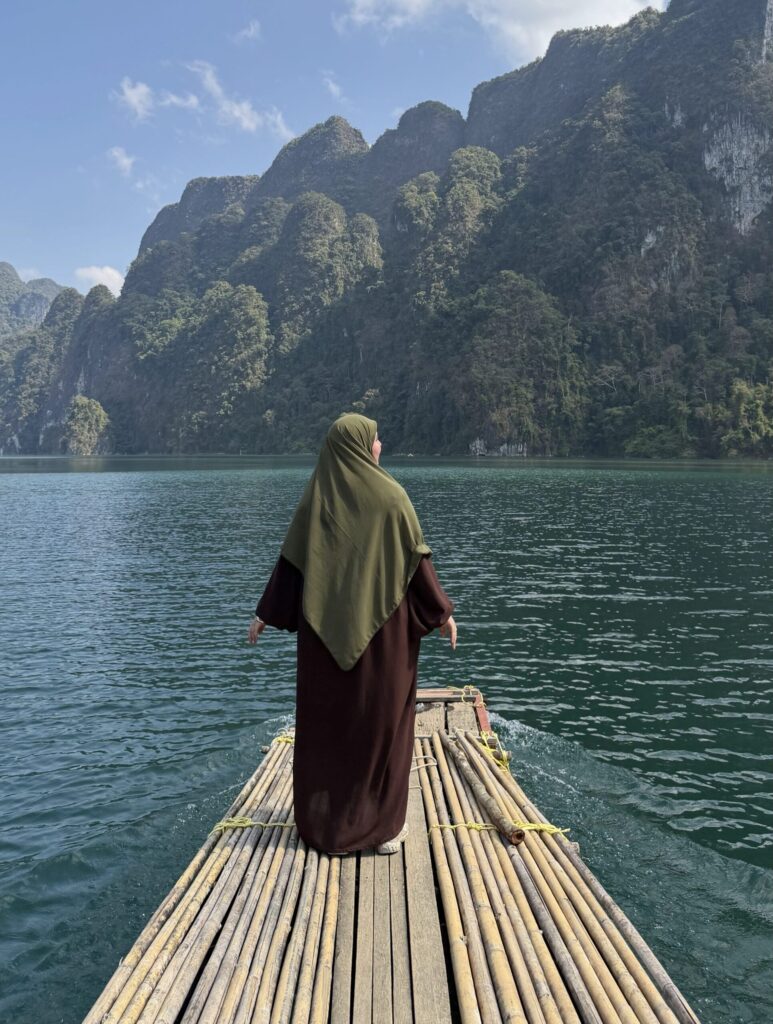
As a photographer and content creator based near Paris, I share my Muslim-friendly travels, detailed budgets, and tried-and-tested addresses here to help you plan your own trips with peace of mind.
This article contains affiliate links: if you book through these links, I receive a small commission, at no extra cost to you. Learn more
Leave a Reply